Build: JCON Constructions
Architect: Project Evolve Geelong
Photography: Nic Stephens Photography
Products: GT&B
What is it? Well first off great question! Very few know what it is but so many of us encounter it daily without even knowing. I am in no way shape or form a science girl nor an expert on biophilic design, but the psychology of Interior Design is something I find incredibly fascinating. In a world filled with screens, concrete and sterile environments, making smart choices in the spaces we choose to spend our time is something I am incredibly passionate about. So here it is, biophilic design, what it is and a few small details you can incorporate in your own home.
So, what is it?
First off, have a think about when you last felt truly relaxed. Chances are nature played some part. You were in the garden, walking along the beach or just sitting by a window drinking your coffee and looking outside. Now think about how much of that feeling you experience when you’re stuck inside all day with very little sunlight and your lexicon quarter walls. You’re probably not as relaxed.
Biophillic design is just this, it’s about intentionally introducing elements and influences of nature into our spaces. The amazing part is there is a great deal of evidence that has proven the benefits physically, mentally and creatively. Using light, greenery, water, patterns, materials and sounds found in nature has been found to do the following:
- Increases productivity
- Increases Creativity
- Reduces stress levels
- Patients recover faster
- Schools saw fewer behavioural issues and better results
- People pay more whether that be retail or homes for sale
- Reduced crime levels
Of course, whilst the research and studies are promising, the effects do vary from person to person. The best approach is to make your home feel better to you and trust your own response.
I thought I would include a few easy ways you can introduce some biophilic design elements in your home whether you’re currently living there or looking to build or renovate.
1. Use an earthy colour palette
Every colour you can think of is out there somewhere but putting those colours together is the trick. Look at a leaf, your next trip to the beach or the rolling hills and get inspired. Nature’s colours create a feeling of warmth though so be wary about utilising a cold colour palette, even Antarctica has warmth in its landscape if you look close enough!
2. Bring in natures patterns
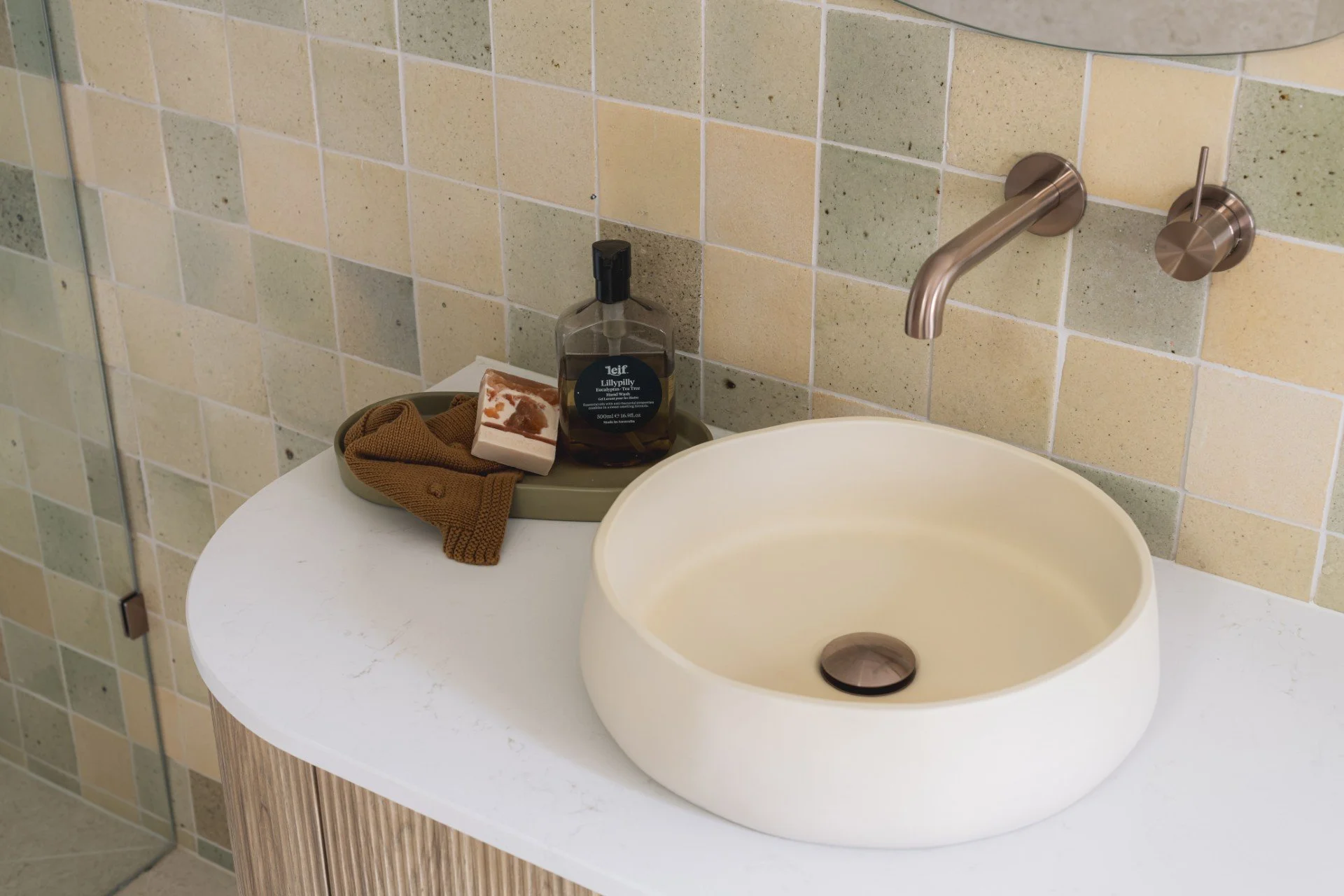
People often hear the word pattern and get scared however it can be as daring or as toned down as you like. Idea’s can be as simple as a soft linen weave or a curved edge, or maybe you’re open to a wallpaper filled with leaves and plants or a hexagonal tessellated floor tile. Pattern can be scary knowing when to pull back and when to take a risk and that’s where professionals can help.
3. Layer natural materials
Admittedly, this step can be an expensive option. Natural materials whether it be stone or natural timber adds up across a whole build so don’t be afraid to offset these costs with alternative products. There are some great faux products out there however consider their tactility. Faux products can look alright on a shelf however when repeated over and over they can easily look like a fake once installed. Your safest option is to scale back and use the premium option in a smaller amount. A room full of plastic materials and objects even if they look like timber and plants isn’t calming anyone down!
4. Position your furniture to your view
Unfortunately, most of society needs to work these days and we’re generally stuck behind a computer screen whilst we’re doing it. So, if you can’t be outside then at least give yourself the next best thing. Instead of facing your desk up against a wall, position it in a way that you can look outside whilst you work. And if your office is located internally with no windows, consider a skylight. This same theory applies for every room, if you’re building consider whether you have somewhere to position a window that isn’t above your bed.
5. Maximise daylight
Okay, so to the few followers I know are reading from the UK disregard the following, in fact do the opposite! For all Australian’s reading, maximise your Northern light! Not only will it help with your heating but interiors with increased natural light improve your mood, see reduced mould and moisture risks and improves your circadian rhythm and sleep quality.
Biophilic design doesn’t have to be complicated, and you don’t have to figure it out alone. Start with one small change, whether that’s turning your desk towards the window or letting a bit more light in, and see how it feels. If you’re building or renovating and would like a second opinion, or you’re just curious about what might work in your space, I’m always happy to chat. Click here if you would like to book a complementary chat.